AtlasLog in

The environment, taken apart.

Cheat sheet →

AP Environmental Science

9 chapters
No. 0112 pages

The living world: ecosystems
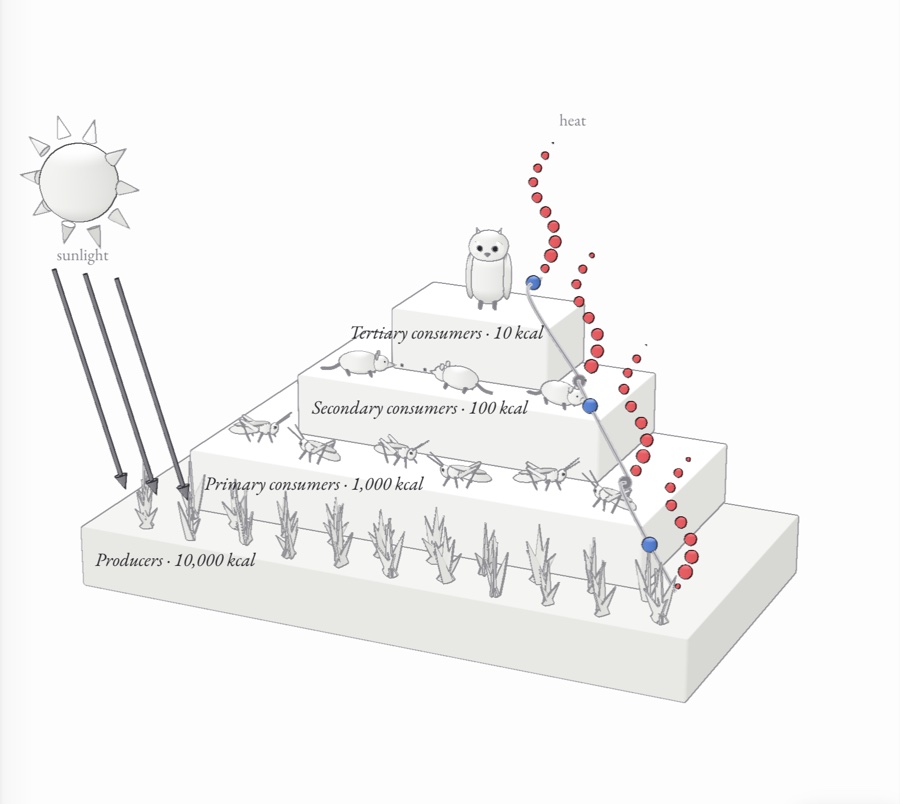
An energy pyramid of paper slabs, each a tenth the area of the one below, from producers at 10,000 kcal up to tertiary consumers at 10, red heat arrows streaming off every level and a blue arrow carrying the rest upward, gray sunlight striking the base
No. 0210 pages

The living world: biodiversity
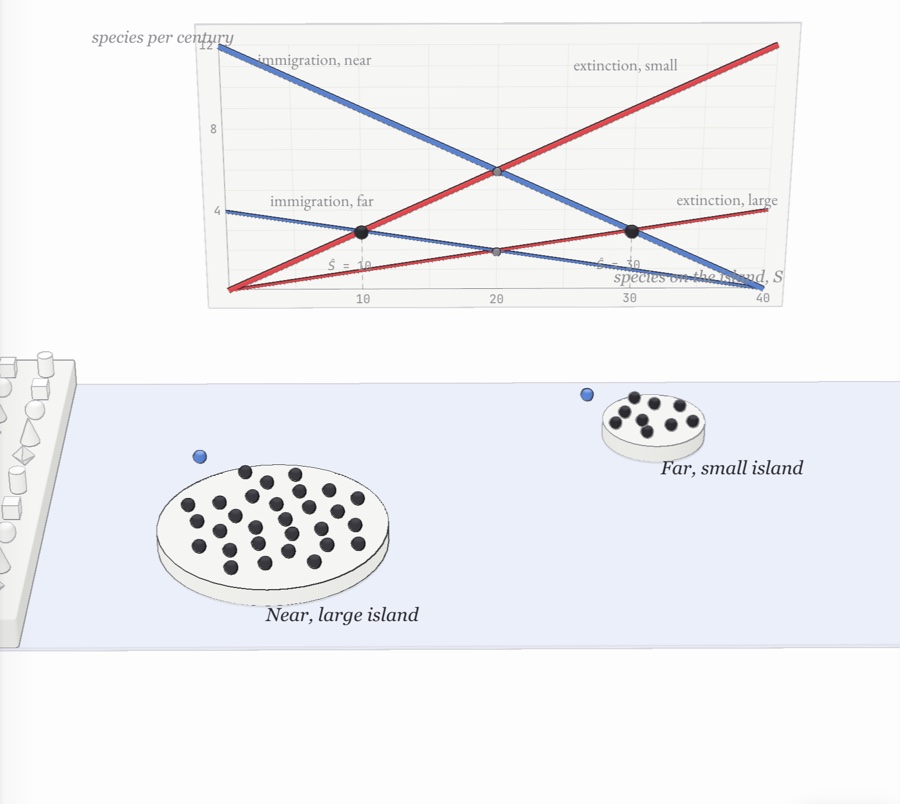
Two paper islands in a pale sea beside a mainland of species, thirty dark species tokens on the large near island and ten on the small far one, under a graph whose blue immigration lines and red extinction lines cross at those two equilibria
No. 0310 pages

Populations

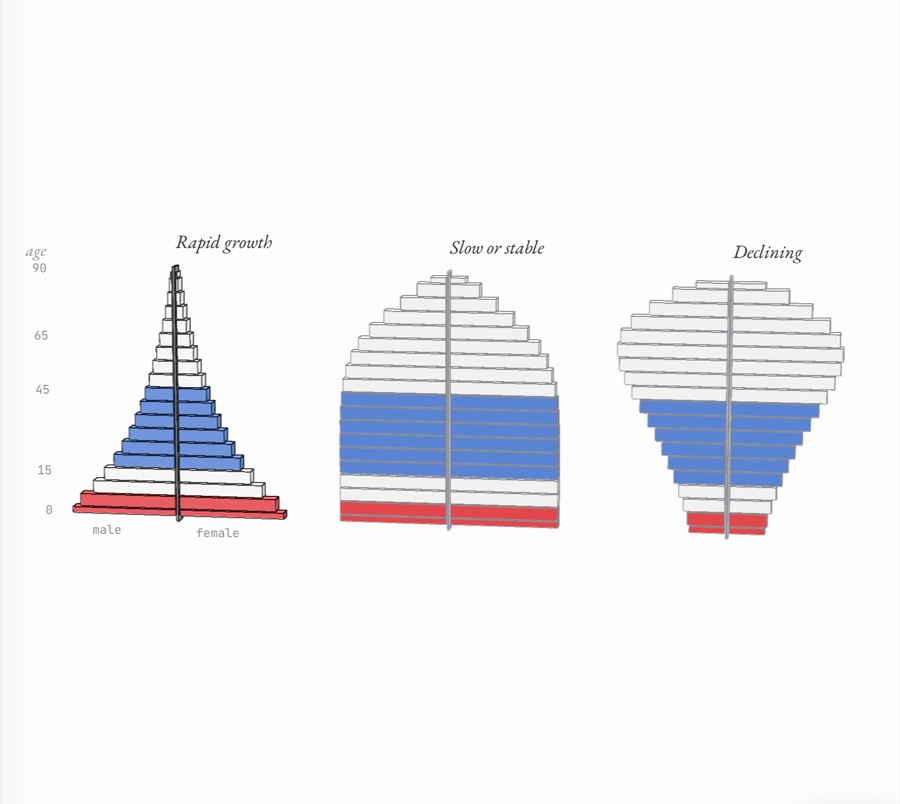
Three age structure diagrams side by side: a rapid-growth pyramid with a wide red base, a straight-sided stable one, and a declining one narrower at the base than the middle, with ages 15–44 in blue
No. 0410 pages

Earth systems and resources
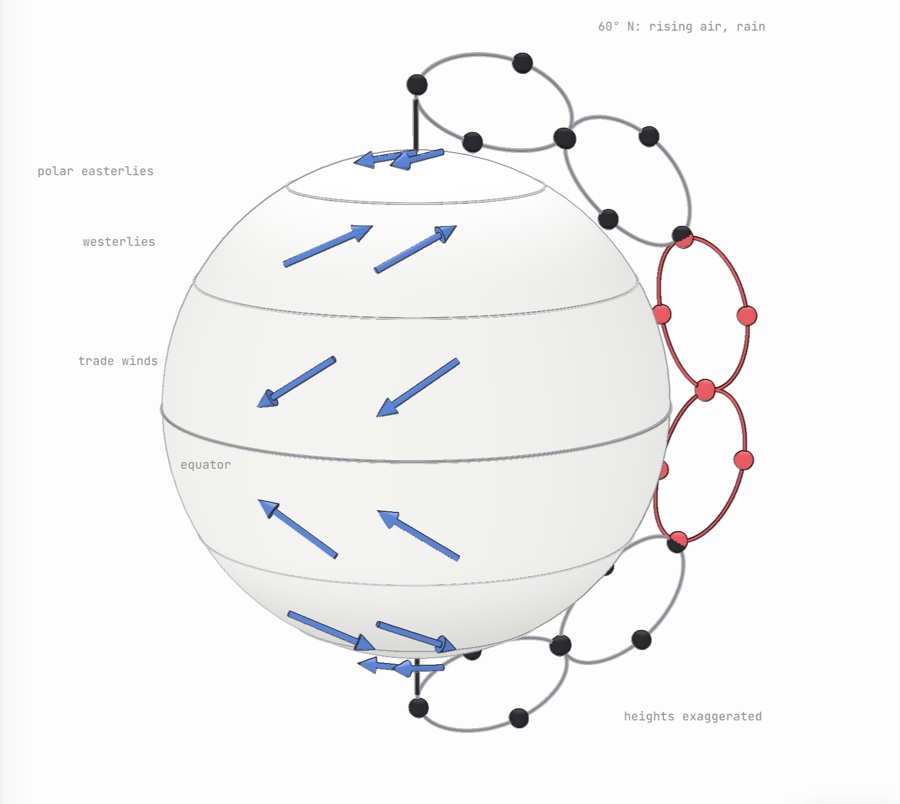
A paper globe ringed by the Hadley, Ferrel and polar cells, the red Hadley loops rising at the equator, blue trade winds, westerlies and polar easterlies turned by Earth’s spin
No. 0519 pages

Land and water use

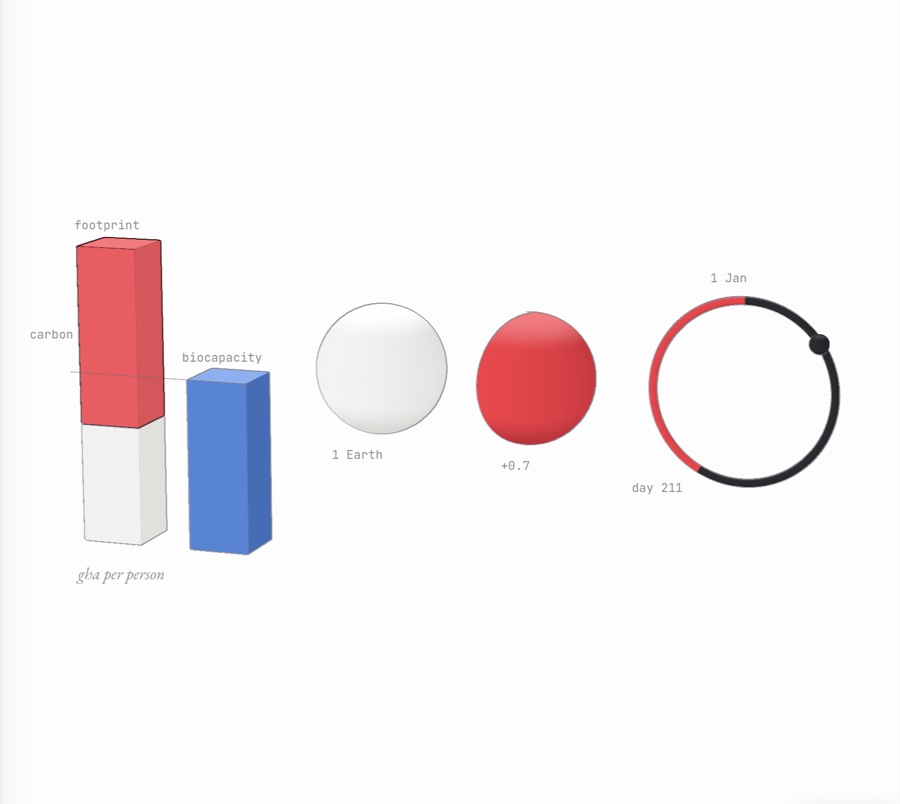
A column of humanity’s ecological footprint, its carbon share red, beside a shorter blue column of biocapacity, with one paper Earth and a red 0.7 of another, and a year ring that turns red after day 211
No. 0614 pages

Energy resources and consumption
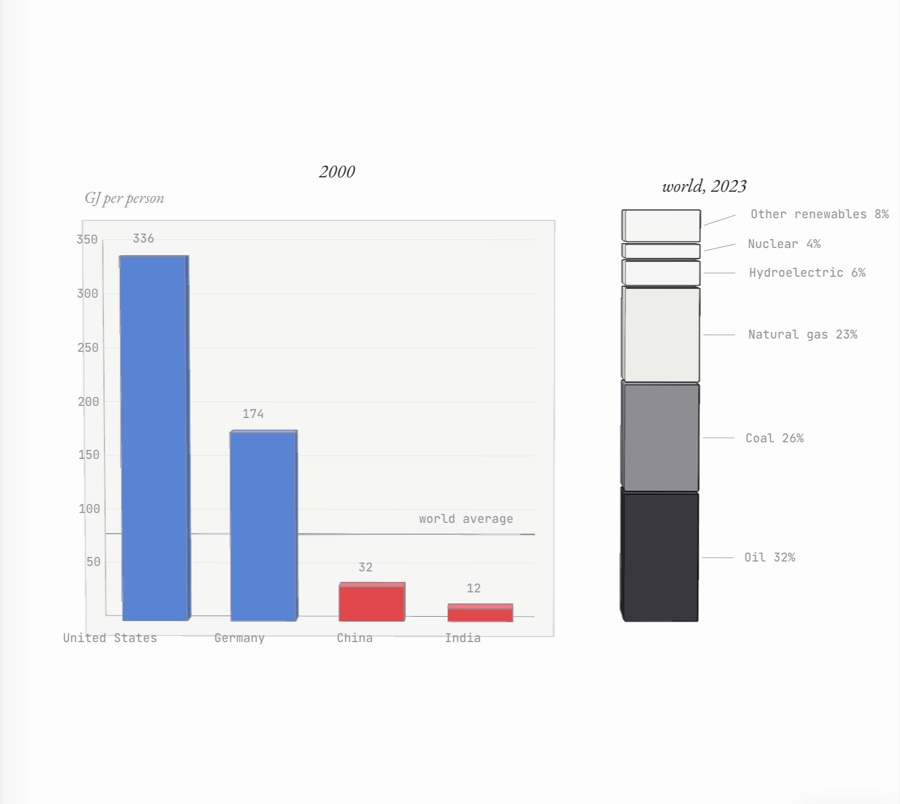
Bar chart of energy use per person in the United States, Germany, China and India against the world average, beside a column of the world’s 2023 energy by source, oil, coal and natural gas making up about four-fifths
No. 0711 pages

Atmospheric pollution

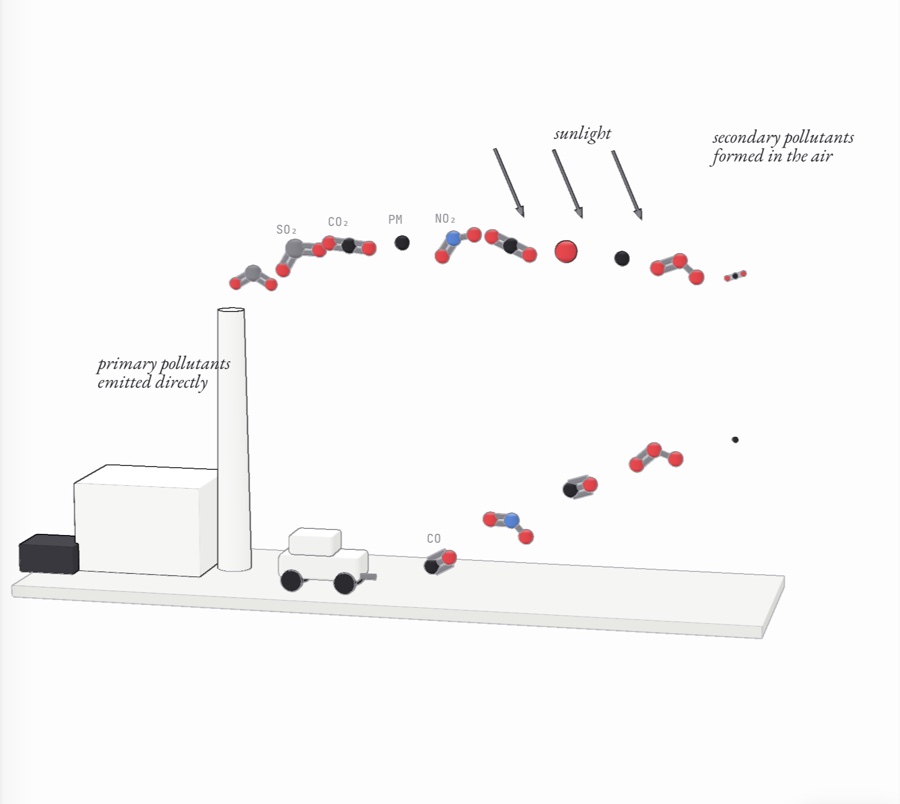
A coal-fired power plant’s smokestack and a car on paper ground, their sulfur dioxide, nitrogen dioxide, carbon dioxide and soot rising as ball-and-stick molecules and turning, under three arrows of sunlight, into red droplets of sulfuric acid and ozone downwind
No. 0816 pages

Aquatic and terrestrial pollution
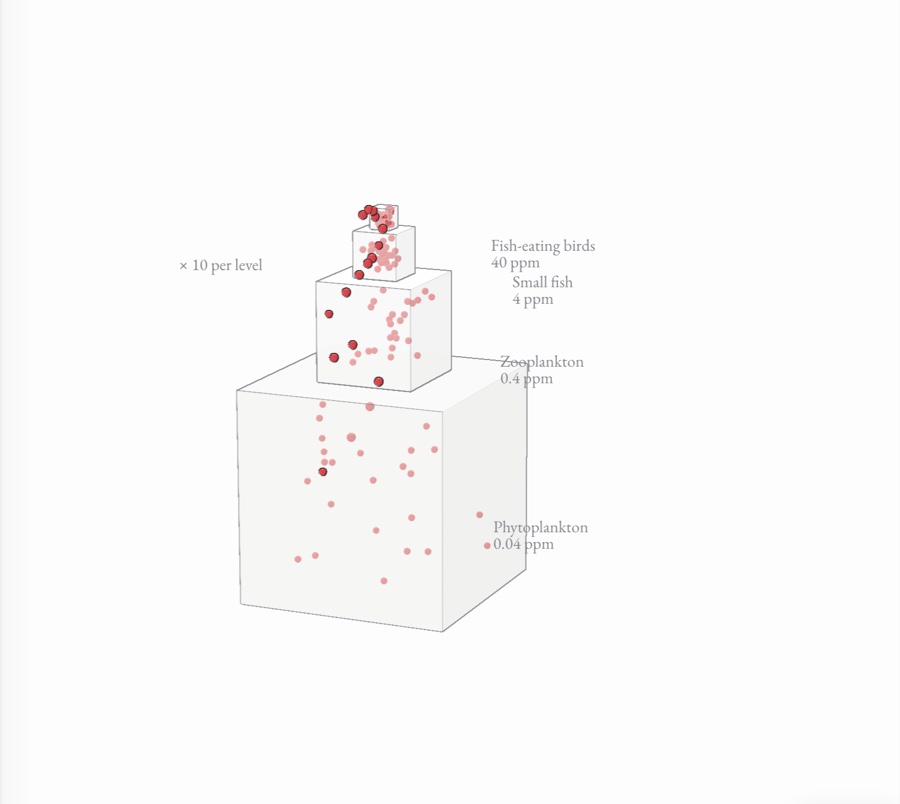
A food-chain pyramid of four see-through cubes, each a tenth the size of the one below, holding the same red toxin dots, so the concentration climbs from 0.04 ppm in phytoplankton to 40 ppm in fish-eating birds
No. 0911 pages

Global change

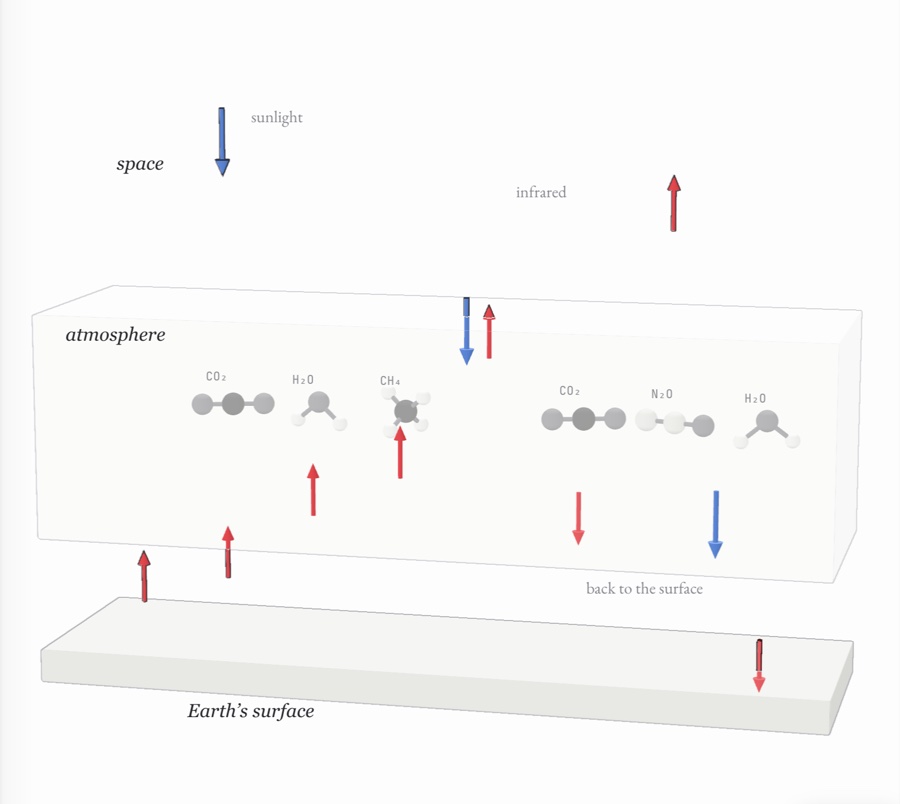
Sunlight passing through a slab of air holding greenhouse-gas molecules (CO₂, H₂O, CH₄, N₂O), red infrared arrows rising from the ground, some caught by the molecules and sent back down